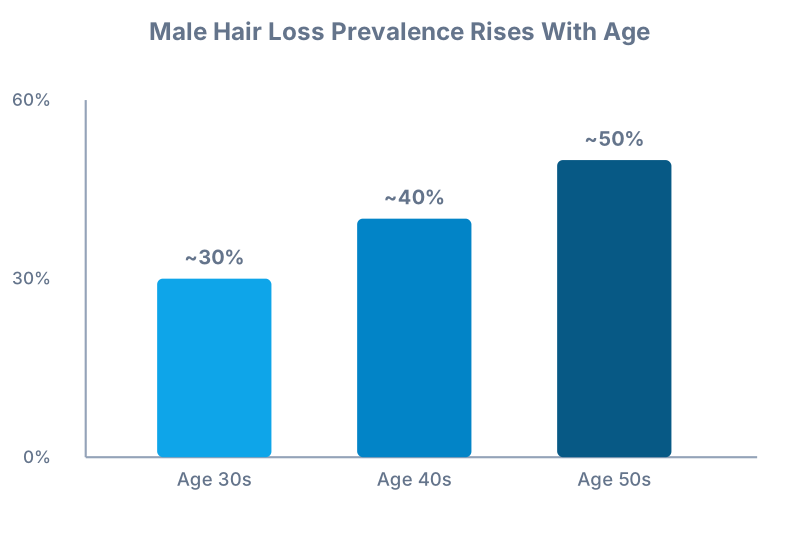
Hair loss is far more common than most people admit. Androgenetic alopecia affects up to 50% of men and roughly 19% of women over a lifetime (Comprehensive Evaluation of Androgenetic Alopecia, PMC, 2024). Hair building fibers are a brilliant fix, fuller hair in 30 seconds with no surgery, but only if the fiber inside the bottle is made right.
Here’s the problem. Cheap fibers, many of them mass-produced in China, are built down to a price. They use heavy fillers, artificial dyes, and zero quality standards. On a thinning scalp, that matters. This guide explains exactly why, and why lightweight, plant-based, Japan-made Super Million Hair behaves so differently.
Key Takeaways
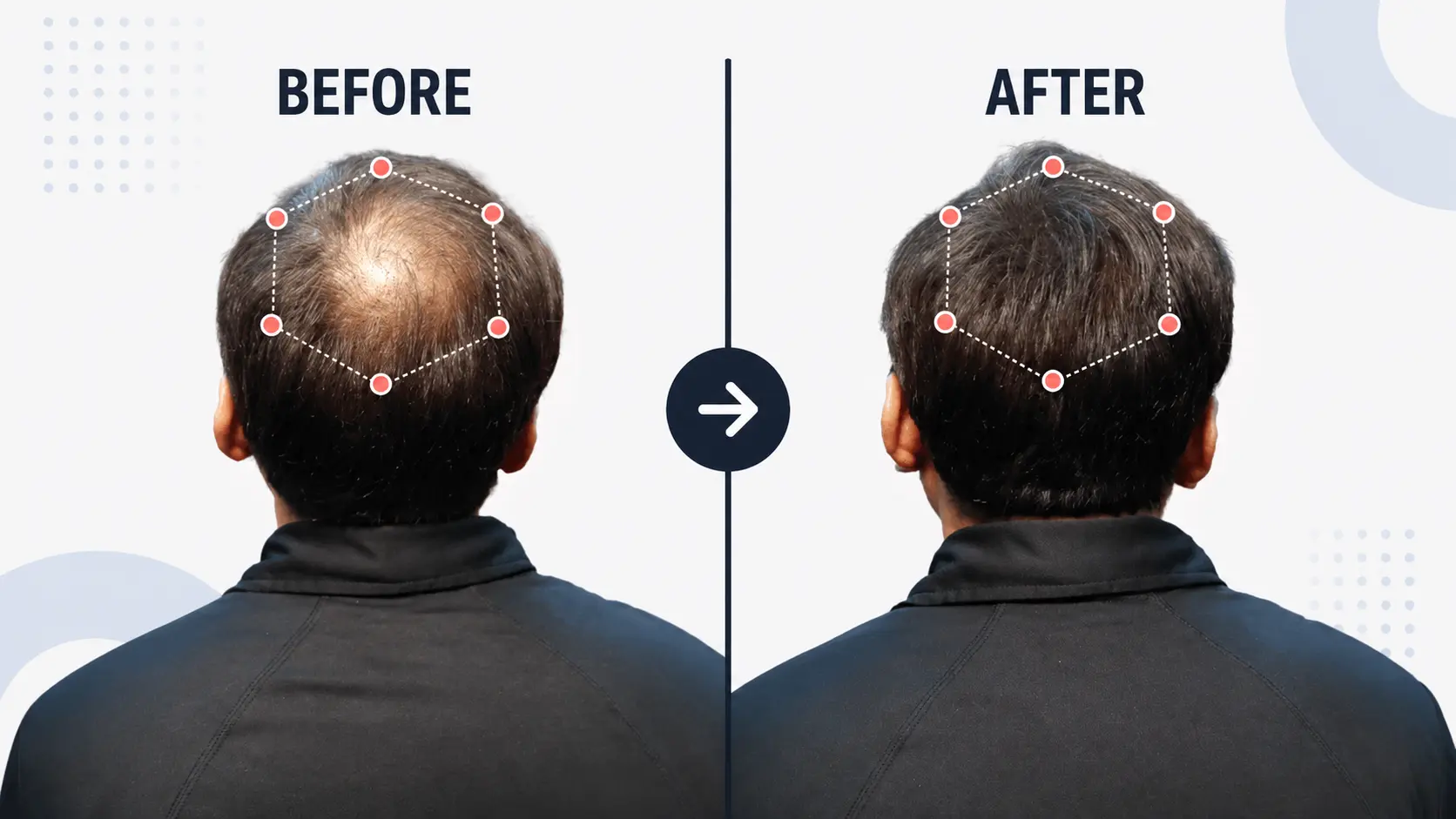
Hair building fibers are tiny fibers that cling to your existing hair using static electricity, instantly making thin areas look dense. The fibers carry a charge that bonds them to your natural strands, so the right fibers grip and stay while the wrong ones drift onto the scalp and clump.
That bond is everything. When fibers are cut precisely and stay lightweight, they coat each strand evenly and look natural. When they’re heavy or unevenly made, they weigh hair down, look patchy, and shake loose. The four-step routine below shows how Super Million Hair is meant to go on.
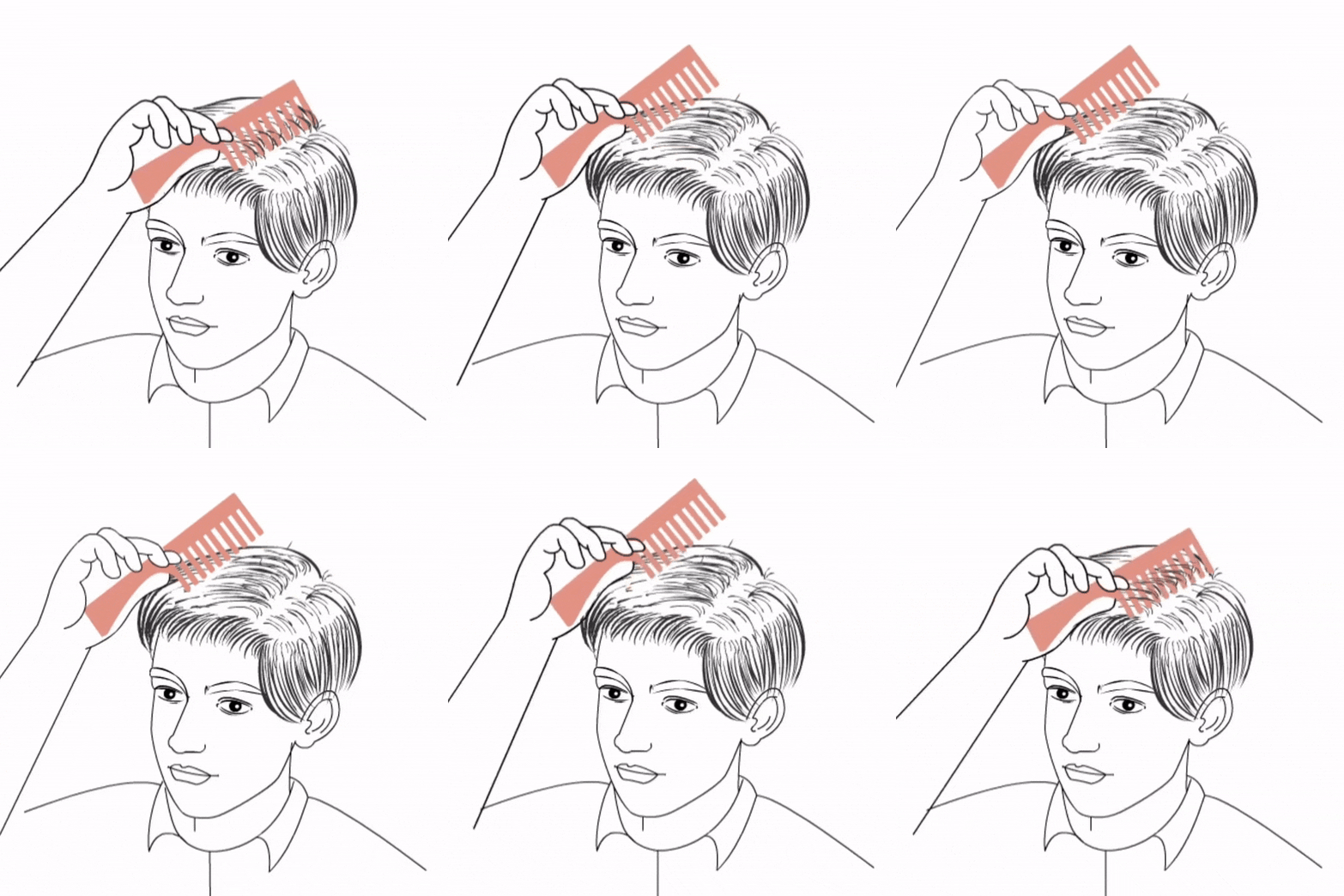
1. Start with clean, dry, styled hair
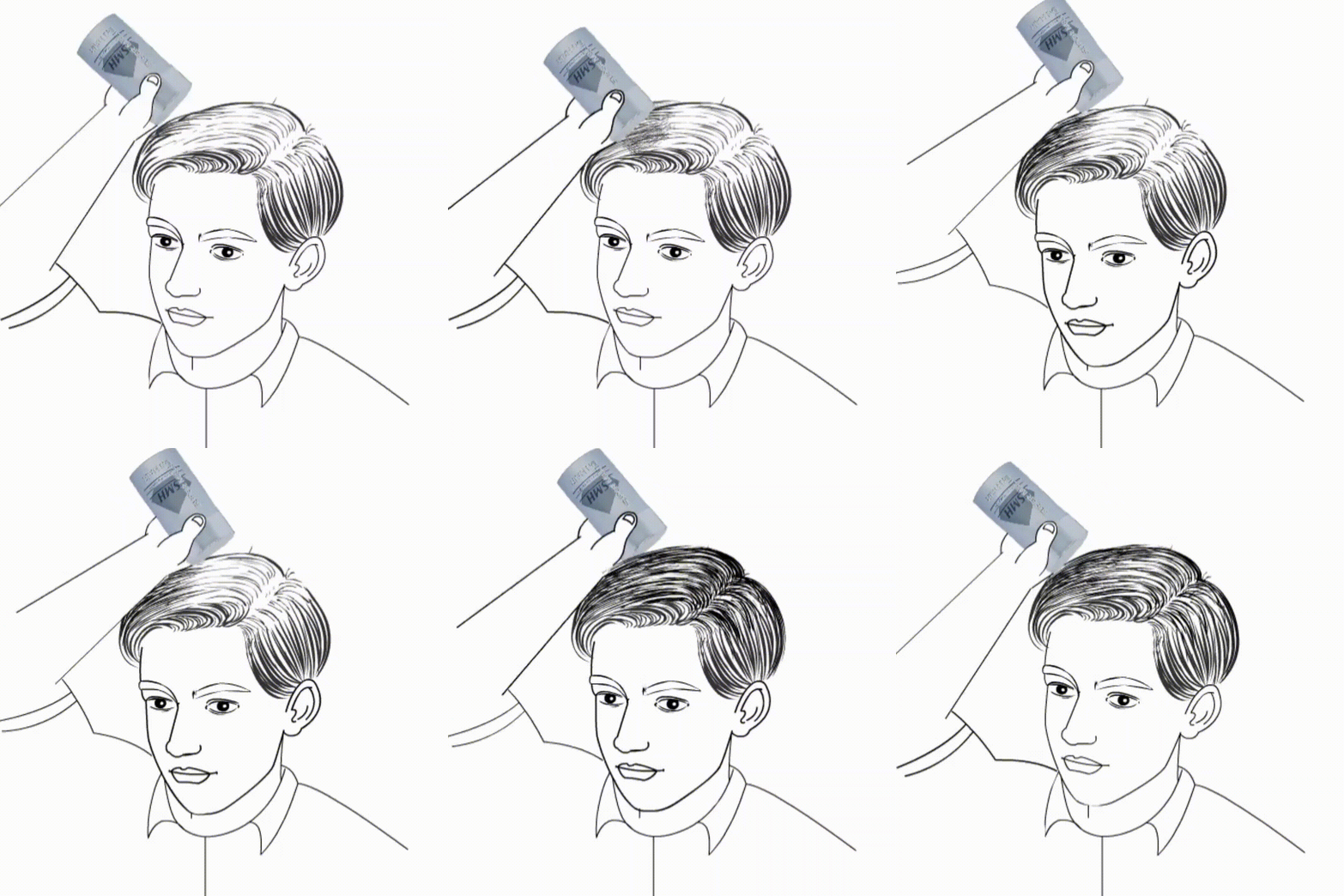
2. Sprinkle fibers onto thinning areas
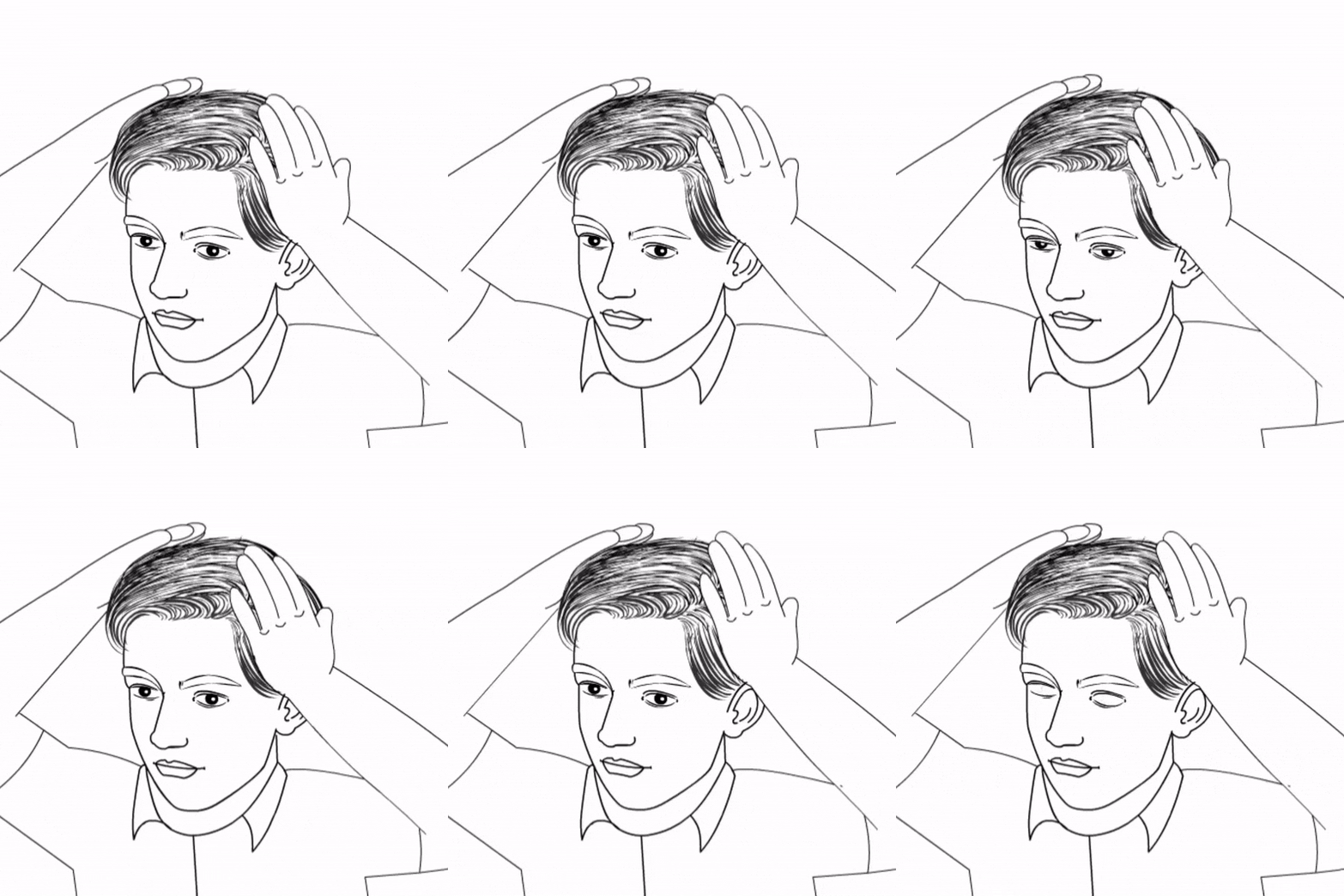
3. Pat gently to blend with natural hair
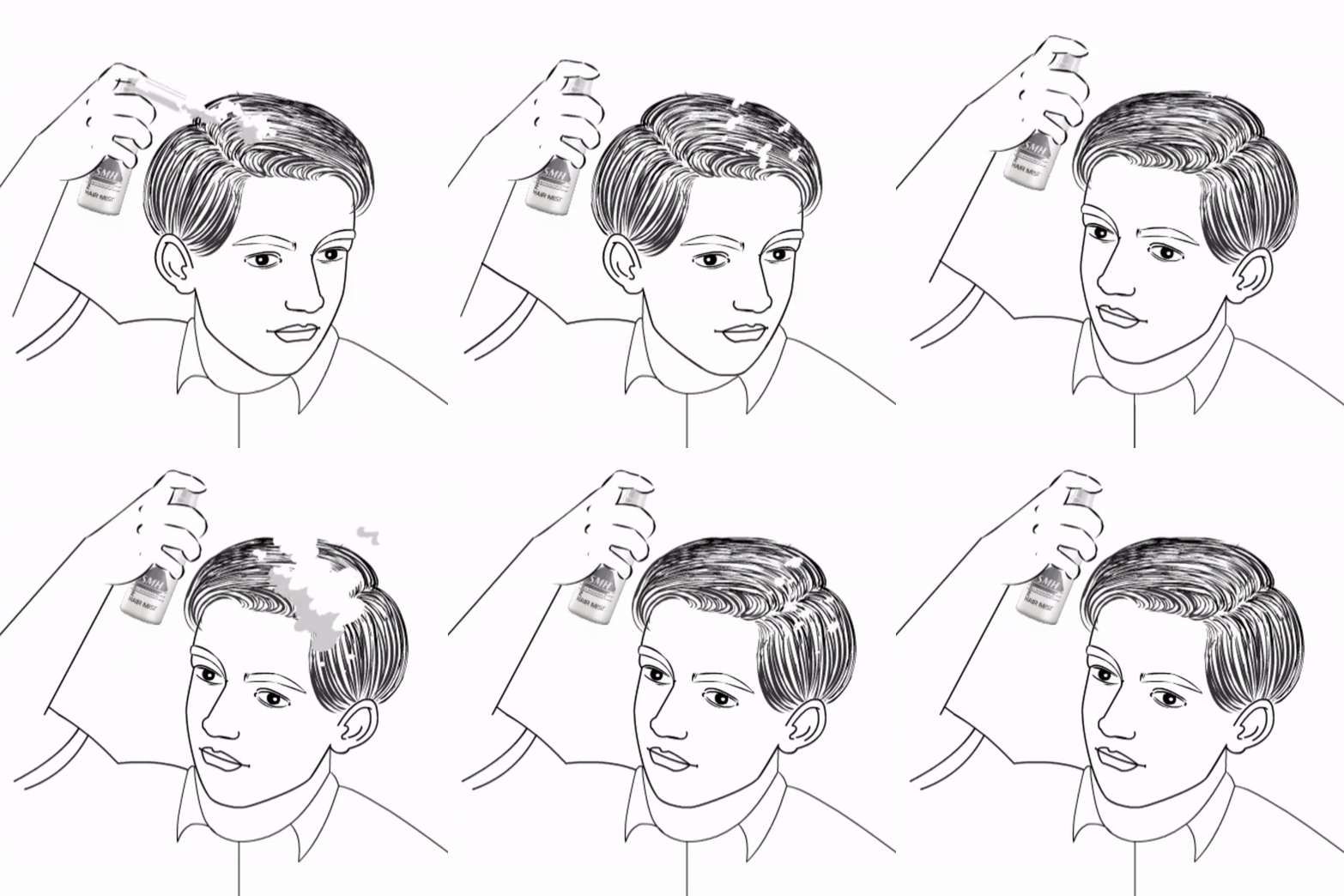
4. Lock it in with the Hard Hair Mist
The material decides everything: how natural it looks, how much you get, and whether it’s kind to your scalp. Super Million Hair uses plant-based rayon, a fiber made from natural cellulose, not synthetic plastic or charcoal (Super Million Hair India, 2026). Many cheap fibers do the opposite.
Low-cost fibers, including a lot of Chinese-made stock, are frequently bulked out with heavy materials like wood-charcoal powder or artificial synthetic fillers. On a healthy head that might pass. On a thinning scalp, heavy fibers drag, look flat, and can irritate sensitive skin exactly where you’re already vulnerable.
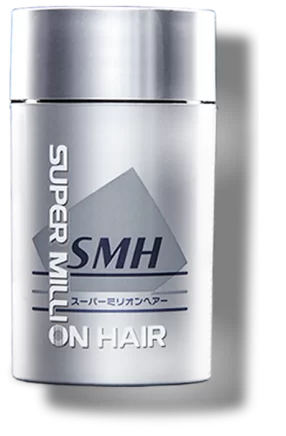
Lightweight, plant-based rayon fibers, engineered for volume per gram
Weight is where the gap is obvious. Because Super Million Hair fibers are so light, a single gram contains far more individual fibers than a gram of heavy charcoal-based fiber. In plain terms: 10 grams of Super Million Hair covers noticeably more scalp, and looks fuller, than 10 grams of a cheaper, heavier fiber. You’re not just buying grams, you’re buying coverage.
Keratin has become a marketing buzzword in hair care. Many cheap fiber brands stamp “keratin” on the label purely to sound premium and ride the hype. The word alone tells you nothing about the fiber’s weight, purity, dye quality, or whether it’s safe for a sensitive scalp. Super Million Hair doesn’t need the buzzword; it relies on a proven plant-based rayon system instead.
Our finding: The cheapest fibers almost always cut the two things you can’t see in a product photo: fiber weight and dye quality. That’s why they can look convincing online and disappointing on a real, thinning scalp.
The biggest danger isn’t a bad hair day, it’s what touches your scalp every day. Cheap fibers often rely on artificial dyes and undisclosed materials, and unregulated cosmetics have repeatedly been found to contain heavy metals such as lead and arsenic (Nature Scientific Reports, 2024).
Three problems show up again and again with bargain fibers:
They stain. Artificial colorants used in cheap fibers can run when you sweat or get caught in light rain, leaving dark smudges on your skin, scalp, and shirt collars. Quality color-matched fibers are formulated to stay put.
They’re made to no standard. A 2025 peer-reviewed review found heavy-metal contamination is “particularly pronounced in unregulated, locally produced, and potentially counterfeit imported cosmetics” (MDPI Applied Sciences, 2025). For reference, the U.S. FDA recommends a maximum of 10 ppm lead as an impurity in cosmetics applied to the body (FDA, 2026). An anonymous fiber gives you no proof it meets any limit.
They strain a vulnerable scalp. Heavy, charcoal-based fibers are the last thing a thinning scalp needs. People using fibers are usually already managing hair loss, so a harsh, contaminated product works against the very area you’re trying to protect.
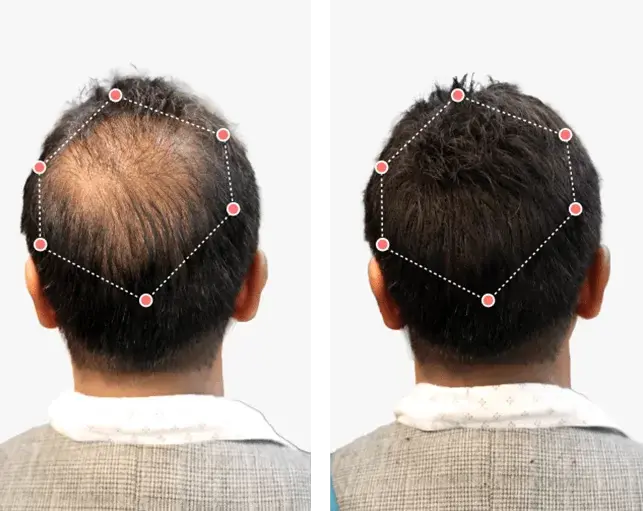
A clean, natural result depends on a clean, well-made fiber
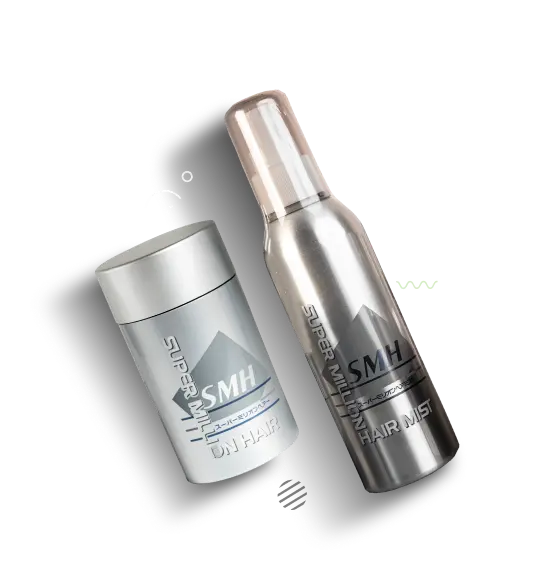
Most cheap fibers are sold on their own and rely on ordinary hairspray to stay put. Super Million Hair is built as a two-part system: the fibers, plus a purpose-built Hard Hair Mist engineered specifically to lock those fibers in place (Super Million Hair India, 2026).
This is the part competitors can’t easily copy. The mist isn’t generic hold spray, it’s a setting formula matched to the fiber so the bond survives wind, water, and sweat through the day. That pairing is a big reason the finish stays natural and doesn’t collapse the first time the weather turns.
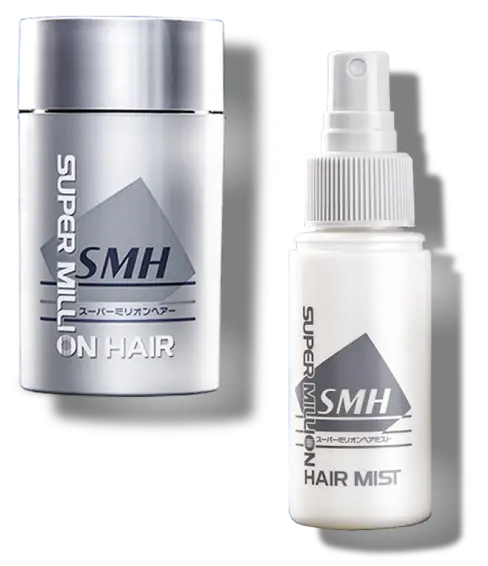
Fibers plus a purpose-built locking Hard Hair Mist, designed to work together
A cheap bottle of loose fibers and a tin of hairspray can’t replicate a formula designed as one system. That integration is what turns a quick cosmetic dusting into a hold you can trust at a wedding, a meeting, or a humid commute.
Side by side, the differences are hard to ignore. The table below compares Super Million Hair against the typical cheap, mass-produced fiber so you can see exactly where your money goes.
Super Million Hair (Japan) vs typical cheap Chinese fibers
| What to check | Super Million Hair | Cheap Chinese fibers |
|---|---|---|
| Fiber base | Plant-based rayon (natural cellulose) | Often charcoal powder or synthetic filler |
| Weight & volume | Ultra-light: more coverage per 10g | Heavy: less coverage, can look flat |
| Coloring | Stable, color-matched shades | Artificial dyes that can run and stain |
| Scalp suitability | Gentle and breathable for thinning hair | Harsh on already-vulnerable scalps |
| “Keratin” claims | Proven system, no buzzword needed | “Keratin” often used as marketing hype |
| Setting mist | Purpose-built locking Hard Hair Mist included | Usually none; relies on hairspray |
| Standards | Made in Japan, ISO 9001, since 1986 | Often no ISO certification or standards |
| Weather hold | Resists water, wind and sweat | Smudges, stains, washes out easily |
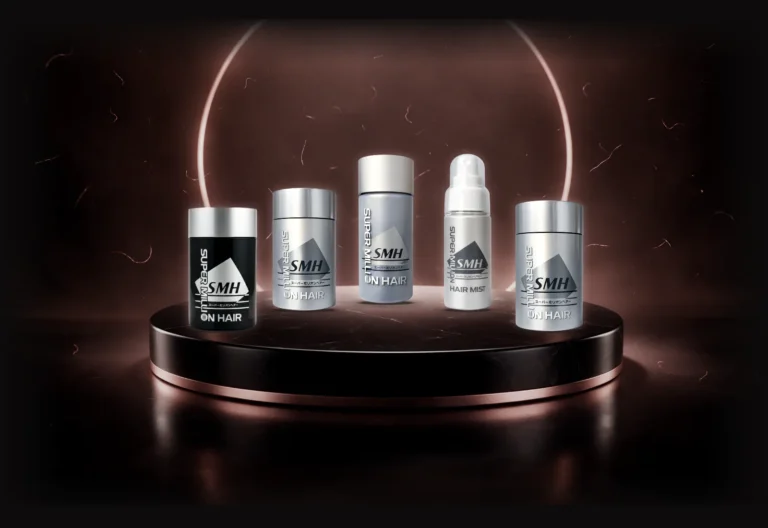
Compare sizes and shades on our Super Million Hair product range
“Made in Japan” here isn’t a slogan, it’s a documented quality system. Super Million Hair is manufactured by RUAN Co., Ltd., founded in Maebashi, Japan in 1973, with the fiber launched in 1986 after extensive rayon research (Super Million Hair India, 2026). That’s nearly four decades of refinement.
Japanese cosmetics fall under the Pharmaceutical and Medical Devices Act, enforced through strict manufacturing and quality practices (International Trade Administration, Japan Cosmetics Standards, 2025). Super Million Hair backs this with ISO 9001 certification and a clean-room production line, the kind of controls a no-name supplier has no reason to fund.
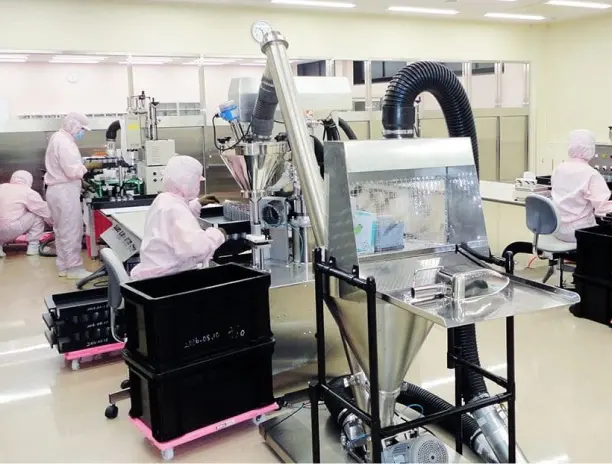
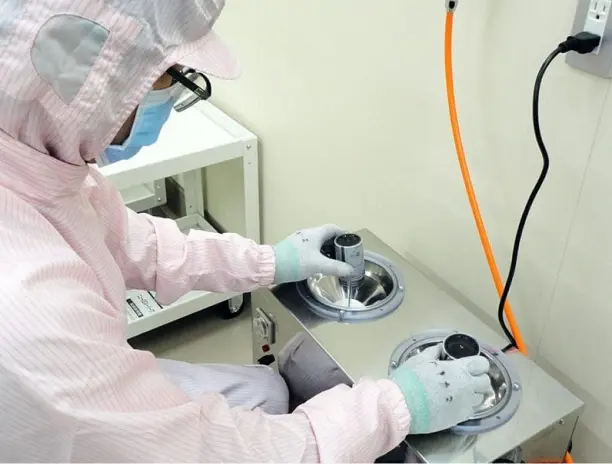
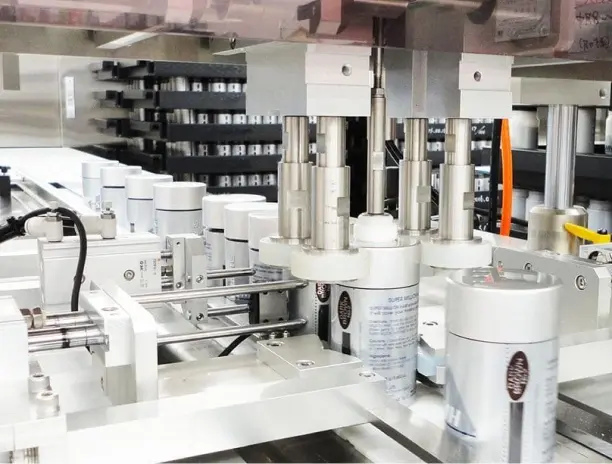
The brand’s own Manufacturing Excellence process shows what that discipline looks like. Every bottle passes through five controlled stages (Super Million Hair India, 2026):
Production in a contamination-controlled environment.
Every bottle is cleaned before filling.
Precise, consistent fiber filling and sealing.
Particulates removed before final handling.

Final inspection before the product ships.

A clean room, an air shower, and final quality control are precisely the steps cheap fiber suppliers skip. That’s the difference between a controlled cosmetic product and a bag of dyed powder.
Yes, once you measure cost per use instead of cost per bottle. Super Million Hair has been trusted across more than 70 countries since the 1980s (Super Million Hair India, 2026), because lightweight fiber plus a locking mist lasts the full day without constant touch-ups.
Here’s the math people miss. A heavy, cheap fiber gives less coverage per gram, smudges, and washes out, so you reapply more and rebuy sooner, with worse results each time. A lighter, longer-lasting bottle stretches further. The “savings” on the cheap option quietly evaporate.
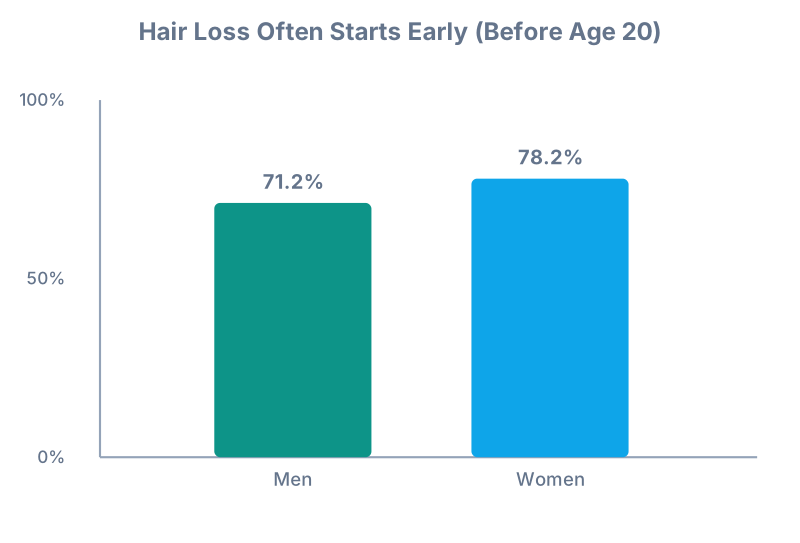
Source: Comprehensive Evaluation of Androgenetic Alopecia (n=390), PMC, 2024
In a 2024 study cohort, early-onset hair loss before age 20 affected 71.2% of men and 78.2% of women (PMC, 2024). Many people use fibers for years. Over that span, a safe, lightweight, Japan-made bottle isn’t the expensive choice, it’s the sensible one.
Choosing well takes about a minute if you know what to check. With hair loss affecting up to half of all men over a lifetime (PMC, 2024), the market is crowded with look-alikes, so a short checklist protects you.
Ready to switch to a fiber that’s built to last? Explore the full plant-based, Japan-made range and pick your shade with confidence.
The danger isn’t cosmetic, it’s what touches your scalp every single day. Cheap fibers, including a lot of mass-produced Chinese stock, are frequently bulked out with heavy charcoal powder or synthetic fillers rather than a gentle, breathable fiber. On a healthy head that might pass unnoticed, but most people using fibers are already managing thinning hair and a more sensitive scalp. Heavy, abrasive particles can drag on fine hair, sit unevenly, and aggravate the exact area you’re trying to protect. There’s a safety layer too: unregulated and counterfeit cosmetics have repeatedly been found to contain heavy metals such as lead and arsenic (MDPI Applied Sciences, 2025). With no named manufacturer, no ISO certification, and no testing, an anonymous fiber offers you no proof it’s safe to apply day after day.
Super Million Hair fibers are plant-based rayon, a fiber regenerated from natural cellulose, rather than synthetic plastic, nylon, or charcoal powder (Super Million Hair India, 2026). That base material is the whole story. Because rayon is derived from plant pulp, it’s lightweight, breathable, and gentle enough for the thinning, sensitive scalps that fiber users typically have. It also takes color cleanly, so the shades stay stable instead of bleeding. Many cheap competitors take the opposite route, using heavy fillers dressed up with trendy ingredient names. The fiber base determines how natural the result looks, how much coverage you get per gram, and whether the product is kind to your skin. Super Million Hair has refined this plant-based rayon system in Japan since 1986, which is why it behaves so differently from a generic powder.
It comes down to physics. Volume depends on the number of individual fibers, not the weight on the label, and lighter fibers pack far more strands into the same gram. Super Million Hair uses ultra-light plant-based rayon, so a 10g bottle contains a much higher fiber count than 10g of a heavy, charcoal-based product. In practice that means more scalp coverage, a fuller-looking finish, and a bottle that stretches further before you need a refill. Cheap, heavy fibers do the reverse: you pay for grams that translate into fewer usable strands, thinner coverage, and a flatter look. So comparing two bottles by price or by weight alone is misleading. The real measure is how much believable coverage each gram delivers, and that’s where lightweight fiber wins decisively.
Not on its own. Keratin has become one of the biggest buzzwords in hair care, and many low-cost fiber brands stamp it on the label purely to sound premium and ride the hype. The word by itself tells you almost nothing that matters: not the fiber’s weight, not its purity, not the quality of the dye, and not whether it’s safe for a sensitive, thinning scalp. A heavy, cheaply made fiber labelled “keratin” is still heavy and cheaply made. What actually determines performance is the fiber base, how finely and consistently it’s cut, the colorants used, and the manufacturing standards behind it. Super Million Hair doesn’t lean on the buzzword. It relies on a proven, lightweight plant-based rayon system made under ISO 9001 standards, which is a far more meaningful guarantee than a trendy label.
They can, and it’s one of the most common complaints. Low-cost fibers often rely on cheap artificial dyes to hit a color quickly, and those dyes aren’t always locked into the fiber properly. The moment you sweat, get caught in light rain, or even rub your head, the color can run, leaving dark smudges on your forehead, scalp, ears, and shirt collars. For a product meant to make you look polished, that’s the opposite of discreet. Quality fibers are formulated with stable, color-matched pigments that stay where they belong. Super Million Hair pairs that color stability with a purpose-built locking Hard Hair Mist, so the fibers and their color hold through wind, sweat, and rain. If you’ve ever worried about a tell-tale streak running down your face, the dye quality of the fiber is exactly why it happens.
Cheap fibers frequently do, and when they go, their dye often runs with them, which is doubly embarrassing. The difference comes down to two things budget products skip: precise fiber cutting for a strong static bond, and a dedicated setting product. Super Million Hair is built as a two-part system, the lightweight fibers plus a purpose-built Hard Hair Mist engineered specifically to lock them in place (Super Million Hair India, 2026). That isn’t ordinary hairspray. It’s a setting formula matched to the fiber so the bond resists water, wind, and sweat through a full day. That’s why the finish survives a humid commute, a workout, or an unexpected shower far better than loose powder held with a generic spray. Reliable all-day hold is one of the clearest dividing lines between a premium fiber and a cheap one.
The Hard Hair Mist is the part most cheap fibers simply don’t have, and it’s a genuine differentiator. Loose fibers on their own rely on static charge alone, which fades as you move, sweat, or step into the wind. Super Million Hair instead works as a designed system: after you sprinkle the fibers, the mist sets them, bonding the fibers to each other and to your natural hair (Super Million Hair India, 2026). It isn’t repurposed hairspray; it’s a setting formula developed specifically for this fiber. The result is a hold that survives wind, sweat, and rain while keeping the finish soft and natural rather than crispy. A bag of generic fibers and a tin of hairspray can’t replicate a formula built as one matched system. That integration is what turns a quick cosmetic dusting into a hold you can trust all day.
Yes, thinning hair is exactly what fibers are designed for. They work by clinging to your existing strands through static attraction, so the more hair you have to anchor to, the denser the result. On thinning, receding, or mild-to-moderate loss, the effect can be dramatic, instantly filling gaps and disguising a see-through scalp. Lightweight fiber helps here too: it coats fine hairs without weighing them down or making them clump, which is a real risk with heavy, cheap fibers on delicate strands. The one limit is completely bald skin, where there’s nothing for the fibers to grip, so results depend on how much hair remains. For most people noticing thinning at the crown, hairline, or part, well-made fibers like Super Million Hair offer a fast, natural-looking way to restore the appearance of fullness.
Quality fibers are designed for daily use; the risk lies almost entirely with cheap, unregulated ones. Super Million Hair uses gentle, plant-based rayon and is made in Japan under ISO 9001 standards with a five-stage clean-room process (Super Million Hair India, 2026), so what reaches your scalp is controlled and consistent. The concern is at the other end of the market. Peer-reviewed research has found heavy-metal contamination is especially common in unregulated, counterfeit, or locally produced cosmetics (MDPI Applied Sciences, 2025), and for reference the U.S. FDA recommends a maximum of 10 ppm lead in cosmetics applied to the body (FDA, 2026). An anonymous fiber gives you no proof it meets any limit. Since you apply this product to the same area every day, often for years, that verified-versus-unknown distinction matters enormously.
It depends on how large an area you cover and how often you apply, but lightweight fiber is the reason a bottle goes further than you’d expect. Because Super Million Hair’s plant-based rayon is so light, each gram contains a high number of individual fibers, so you need less product to achieve full coverage. Someone touching up a small thinning patch at the crown will get far more applications per bottle than someone covering a wide area daily. The sizes, from 10g upward, let you match the bottle to your needs and budget. Compare that with heavy, cheap fibers, where more of the weight is filler and you burn through the bottle faster for thinner results. Measured by cost per application rather than sticker price, a lightweight, long-lasting fiber is usually the better value.
Yes. Super Million Hair is manufactured by RUAN Co., Ltd., a company founded in Maebashi, Japan in 1973, and the fiber itself launched in 1986 after extensive research into plant-based rayon (Super Million Hair India, 2026). That’s nearly four decades of refinement in one product. “Made in Japan” here isn’t a marketing line; it’s backed by a documented quality system. Japanese cosmetics fall under the strict Pharmaceutical and Medical Devices Act (International Trade Administration, 2025), and Super Million Hair adds ISO 9001 certification plus a five-stage clean-room manufacturing process covering clean-room production, bottle cleaning, precise filling, an air shower, and final quality control. Those are exactly the controls anonymous, cheap-fiber suppliers have no reason to fund. The country of origin, in this case, is shorthand for a verifiable standard rather than a vague reputation.
You’re paying for three things a cheap bottle can’t match: lightweight coverage, a locking mist, and verified safety. The fiber is ultra-light plant-based rayon, so you get more believable coverage per gram instead of paying for heavy filler. The purpose-built Hard Hair Mist sets the fibers so they survive wind, sweat, and rain rather than smudging or washing out. And it’s made in Japan since 1986 under ISO 9001 standards (Super Million Hair India, 2026), so you know what’s touching your scalp. Add it up and the headline price is misleading. Because the product covers more, lasts longer, and doesn’t stain or strain your scalp, the real cost per use is often lower than a cheap fiber you reapply constantly and replace sooner. With hair loss affecting up to half of all men over a lifetime (PMC, 2024), that long-term reliability is worth paying for.
Hair loss touches up to half of all men and a significant share of women, often starting young (PMC, 2024). Fibers are a brilliant, instant answer, but only when the fiber is made right.
Cheap Chinese fibers are a false economy: heavy charcoal or synthetic fillers, artificial dyes that stain, no real standards, and no locking mist. Super Million Hair takes the opposite path, lightweight plant-based rayon, a purpose-built Hard Hair Mist, and ISO-certified manufacturing in Japan since 1986.
Your scalp wears this product every day. Choose the bottle that’s proven, not just cheap. Find your shade at supermillionhair.in and see the difference quality fiber makes.

Written by
Made in Japan · Since 1986
Plant-based fibers that cling to your own hair with a natural static charge — then locked in by our Hard Hair Mist against wind, sweat and rain.
Keep reading
Actor Vindu Dara Singh is a user of Super Million Hair Building Fibers along with many actors and production houses – and
World’s largest selling hair building fibers and the best thinning hair solution, Super Million Hair Fibers and Mist Combo is in the
Professional Beauty Exhibition is the biggest cosmetics exhibition that happens in India and around the world. Super Million Hair got an amazing